
Everywhere I look, universities are rolling out “AI programs.” Most of them are teaching agentic AI the way you’d teach surgery with a teddy bear on the table — clean, safe, theoretical, and completely disconnected from the thing you’re actually supposed to learn to do.
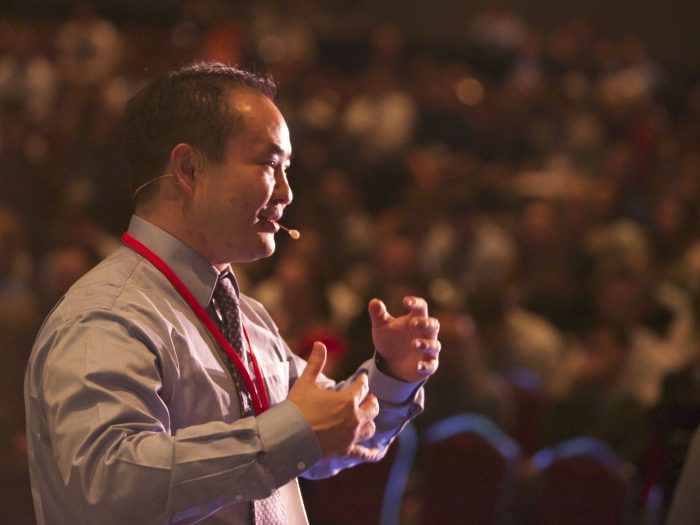
I say this as somebody who does this for a living, not somebody who writes papers about it. Last week I taught a full-day, hands-on class on building agents at Wichita State. Last year I did the same at Johns Hopkins. I’m not lecturing about agents — I’m building them, in front of people, on live accounts, with real data and real consequences. And the gap between those two activities is the whole ballgame.
The stuffed animal versus the live creature
Here’s the analogy I keep coming back to. A lot of these programs hand students a stuffed animal and call it biology. It has the right shape. It has button eyes where the eyes go. You can practice your stitches on it all day. But it doesn’t bleed, it doesn’t have a heartbeat, and nothing you do to it matters.
A real agent is a live creature. It’s connected to a real data source, a real customer base, a real revenue line. When you change something, money moves — up or down. The feedback is immediate and unforgiving. That’s where the learning is, because that’s where the stakes are. You cannot simulate the messiness of a real business, and the messiness is the entire point. The whole reason you build an agent in the first place is to get it to do something that matters. If it’s not connected to anything real, what are you actually doing? You’re rehearsing.
The surgeon analogy — and why even that falls short
People love the surgeon comparison, so let’s use it. Yes, a surgeon goes to school. Yes, they learn anatomy out of a book before they ever touch a patient. But nobody becomes a surgeon by reading. It’s thousands of hours of hands-on work — residencies, rotations, supervised operations on real bodies with real risk. The book is maybe ten percent of it.
But here’s the part that makes the surgeon analogy understate my point: the agents can now do a lot of the surgery. The AI can read the MRI. It can write the code. It can run the diagnostics, draft the plan, handle the repetitive technical work that used to be the hard, specialized part. The code writes itself now.
So what’s left for the human? The judgment. Understanding the anatomy of a business — how revenue actually flows, where the bottlenecks are, who the stakeholders are and what they’re afraid of. Understanding the anatomy of human psychology — what a customer actually wants, why a team resists a change, how to communicate so people move. That’s not engineering. That’s strategy, communication, empathy, and the ability to organize chaos. Those are the soft skills, and they’re now the hard skills.
Building agents stopped being a programmer’s job the moment the programming became the easy part. It became an organizer’s job. A strategist’s job. A communicator’s job.
What it looks like when you do it right
This isn’t theory for me, and it isn’t theory for the educators I respect. There are professors out there who get it — who’ve torn down the wall between the classroom and the real world.
Dr. Karen Freberg at the University of Louisville runs The Bird’s Nest, the school’s first student-run strategic communications agency, where students work with real clients on real campaigns with measurable business impact. That’s not a stuffed animal. That’s a live creature. We’ve worked together because we believe the same thing: students learn by shipping work that someone actually paid for and cares about.
Dr. Karen Sutherland at the University of the Sunshine Coast is a social media educator and certified AI consultant who teaches students to actually use these tools, not just describe them. Same philosophy, other side of the planet.
A few months ago I was in Chicago with Dr. Jeremy at Loyola University, having the same conversation. And I’ve taught hands-on at Oklahoma Christian University, where the goal was never “here’s how an agent works in theory” — it was “let’s build one and point it at something real.”
Real instructors, real projects, real revenue
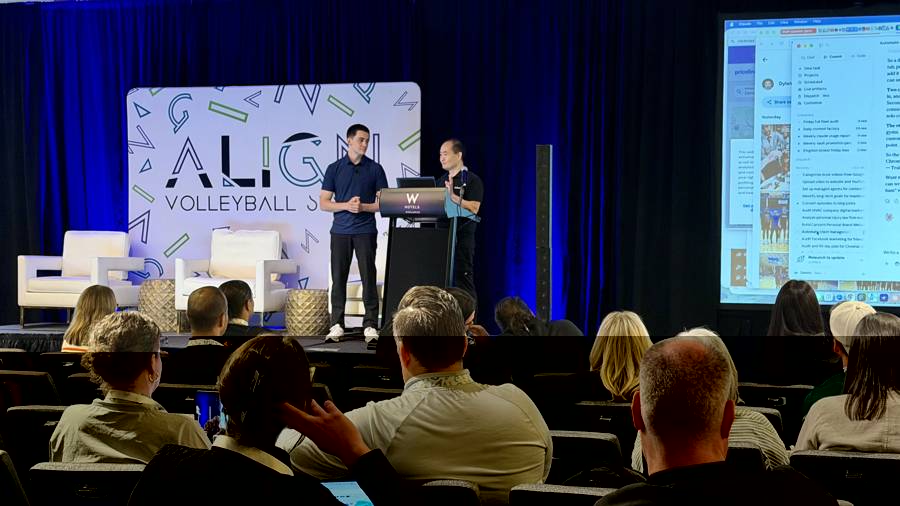
The other half of this is who’s doing the teaching. A couple of weeks ago I was in Detroit with Dylan Haugen and Cam Hazzard — hands-on instructors who build this stuff every day. That’s the model that works: practitioners standing next to students, working through real examples, real projects, real revenue. Not academic theory handed down by someone who’s read about agents but never deployed one that touched a customer.
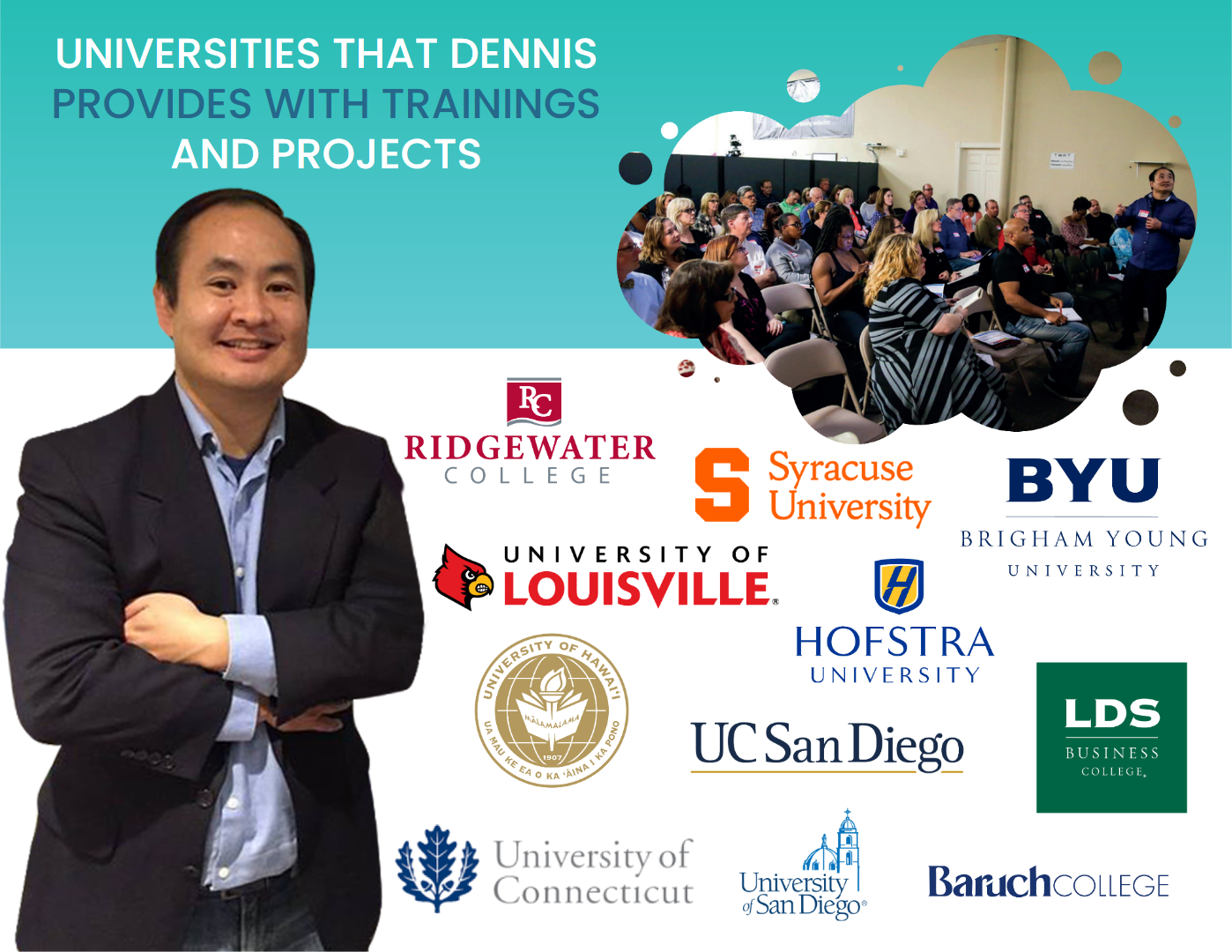
I’m not saying this to knock the academics. The good ones — Freberg, Sutherland, the folks at Loyola and OC — already know it, and that’s exactly why we collaborate. The point is bigger than any one program. The presidents of several universities have come to me directly asking for help fixing their AI curriculum, precisely because they can feel the gap: their students are practicing on stuffed animals while the real world has moved on to live creatures.
The bottom line
If you want to learn agentic AI, you have to do it on a real business. Real data source. Real customers. Real revenue. Real stakes. Anything less is a fantasy environment — a hypothetical exercise that feels productive and teaches you almost nothing about the part that’s actually hard.
Go to school. Learn the anatomy. Read the book. But understand that the book is ten percent. The other ninety percent is hands-on, messy, high-stakes, human work — and you can only get it by putting your hands on something that’s alive.
That’s the work I do, and that’s the standard I think every AI program should be held to.
Trying to fix your AI program? Let’s build it together.
If you’re an administrator or department lead revamping your curriculum to get students into jobs and startups, you don’t have to fight the bureaucracy alone. We bring the hands-on instructors and the private-sector projects that turn a syllabus into real, paid work students can point to. Bring this hands-on agent workshop to your campus — or message me and let’s map out what your students should be building on day one.